
Las mangueras automotrices son un componente esencial de todo vehículo. En promedio, cada vehículo está equipado con aproximadamente 20 metros de manguera, lo que es vital para el funcionamiento suave y eficiente de diversos sistemas automotrices. Estas mangueras son altamente flexibles y se utilizan para transportar fluidos y gases esenciales, garantizando las funciones críticas del motor, el suministro de combustible, los sistemas de frenado y la dirección asistida.
Los tipos de mangueras automotrices varían según el componente específico del vehículo. Las mangueras automotrices están diseñadas para soportar el duro entorno automotriz y proporcionar un transporte fiable de fluidos y gases para garantizar un rendimiento y una seguridad óptimos.
Hoy analizaremos en profundidad los diversos tipos de mangueras automotrices y cómo se clasifican.
Clasificadas por entorno de funcionamiento y medio
Dependiendo de su entorno de funcionamiento y función, las mangueras automotrices pueden clasificarse de la siguiente manera:
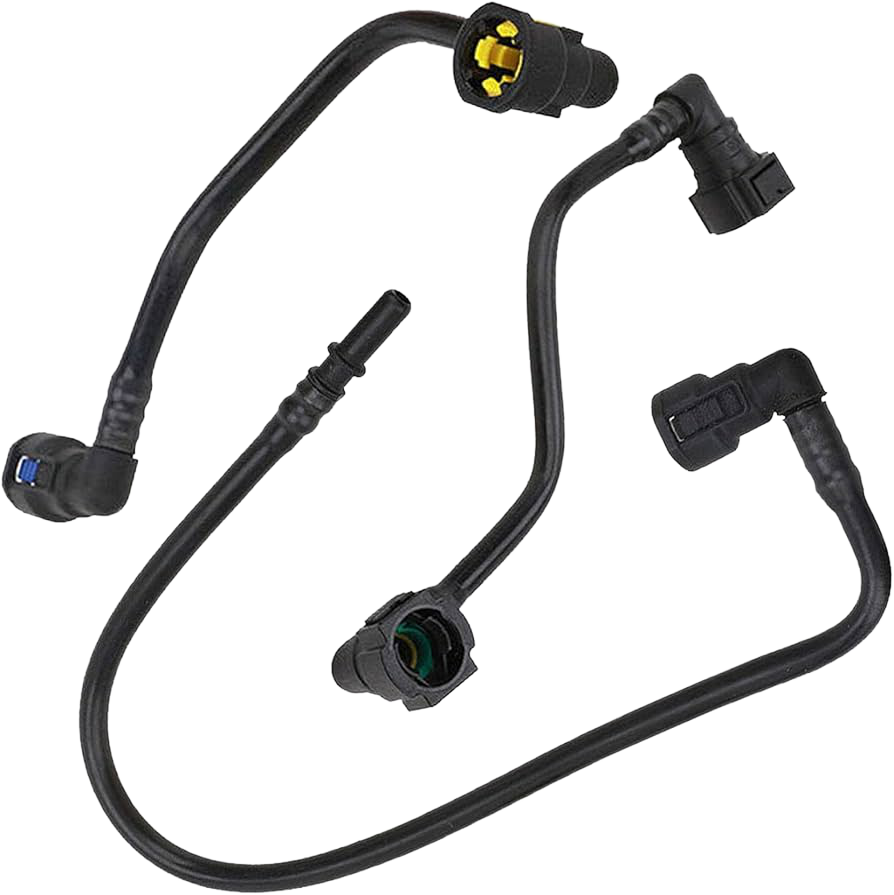
Línea de combustible:
Una manguera utilizada para conectar el motor con el depósito de combustible, la bomba de combustible y el filtro de combustible.
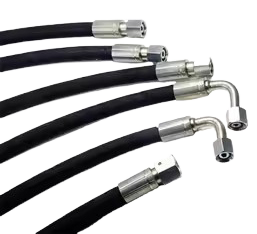
Mangueras hidráulicas:
Utilizadas para mangueras hidráulicas, mangueras de líquido de frenos y similares en sistemas hidráulicos automotrices.
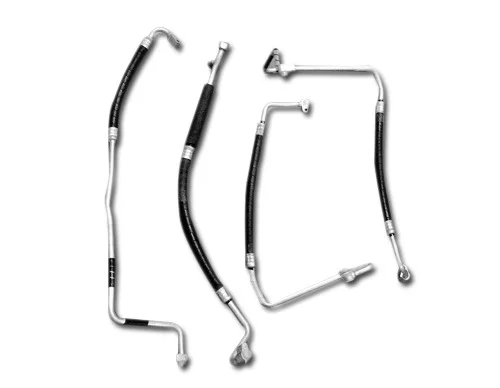
Tuberías del aire acondicionado:
Mangueras utilizadas para conectar el refrigerante, el condensador, el evaporador, el compresor y otros componentes del sistema de aire acondicionado de un vehículo.
Tuberías de agua:
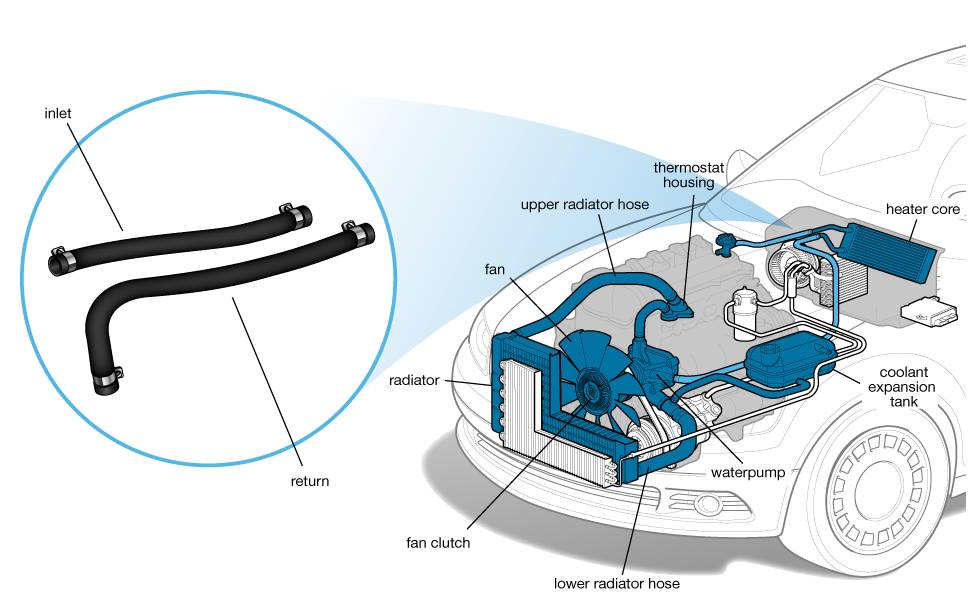
Mangueras utilizadas para conectar componentes como el depósito de agua, la bomba de agua, el radiador y el termostato en el sistema de refrigeración de un vehículo.
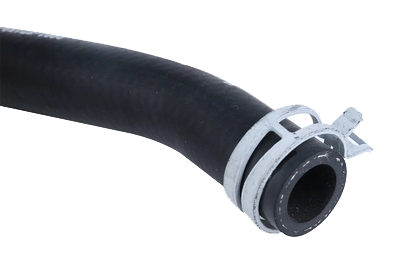
Tubería de escape:
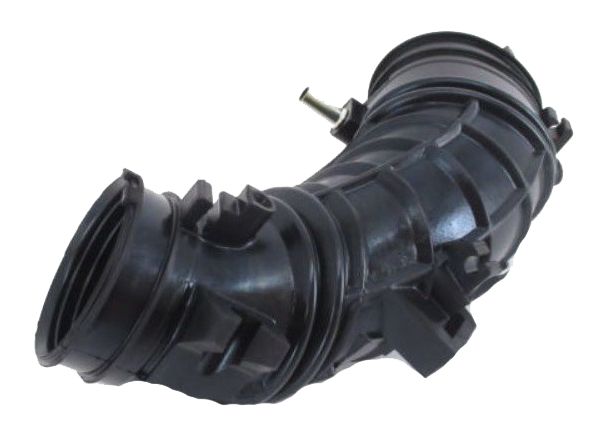
Una manguera flexible utilizada para conectar componentes como el colector de admisión, el filtro de aire y el cuerpo de aceleración en el sistema de admisión de un vehículo.
Clasificación por sistema funcional
Las mangueras automotrices son componentes clave de diversos subsistemas del vehículo. Por sistema, incluyen principalmente: mangueras para los sistemas de refrigeración y calefacción del vehículo, sistemas de combustible, sistemas de dirección, sistemas de frenado, sistemas de aire acondicionado, sistemas de admisión, sistemas de refrigeración del aceite de la caja de cambios y sistemas de accesorios de la carrocería.
Mangueras para sistemas de refrigeración y calefacción automotrices
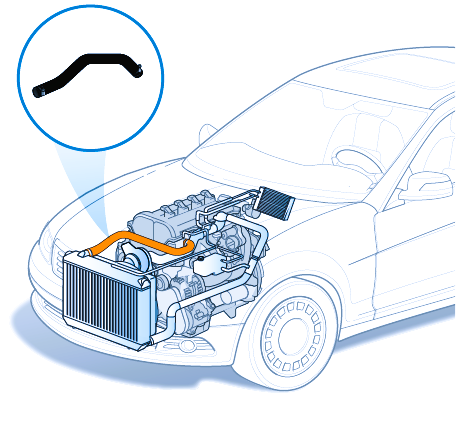
Las mangueras para sistemas de refrigeración y calefacción automotrices comprenden principalmente las tuberías que conectan el radiador del automóvil, el ventilador de la calefacción, el radiador auxiliar y el radiador; generalmente están fabricadas con caucho sintético resistente a altas temperaturas y al anticongelante [principalmente caucho de monómero de etileno propileno dieno (EPDM)], y el medio de trabajo es anticongelante.
Mangueras para sistemas de combustible automotrices
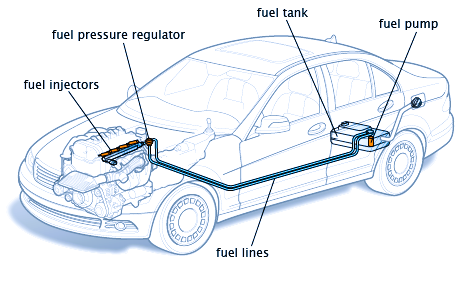
Las mangueras del sistema de combustible de los vehículos de motor comprenden las líneas de conexión entre la bomba de combustible, el filtro de combustible, el motor y el sistema de postratamiento de escape. Están fabricadas principalmente con caucho sintético resistente a la permeación del combustible, resinas compuestas o copolímeros de caucho sintético y resina, combinados con una capa de refuerzo; el medio de trabajo principal es gasolina o diésel.
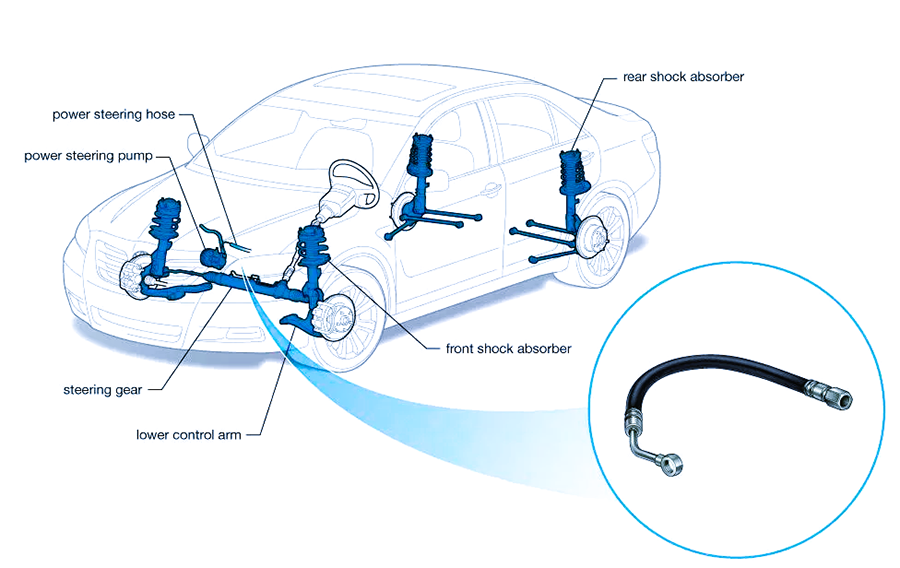
Mangueras del sistema de dirección automotriz
Las mangueras del sistema de dirección de un vehículo comprenden las líneas de conexión entre el depósito (tanque de aceite), la bomba de dirección asistida y la unidad de dirección asistida. Generalmente están fabricadas con caucho sintético resistente a altas temperaturas y a la flexión, y cuentan con una capa de refuerzo resistente a alta presión. Ambos extremos de las mangueras están conectados a tuberías metálicas de acero al carbono o acero inoxidable, y el fluido de trabajo es aceite hidráulico (líquido de dirección asistida).
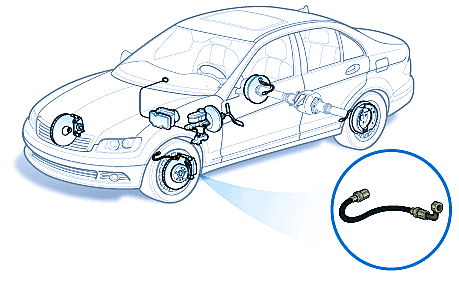
Mangueras del sistema de frenos automotriz
Las mangueras del sistema de frenado automotriz comprenden principalmente las líneas de conexión para el cilindro maestro del embrague, el servofreno de vacío, las pinzas de freno y el compresor de aire. Generalmente están fabricadas con caucho sintético a base de olefina, resina de nailon y tubos de acero al carbono equipados con accesorios metálicos. El medio de trabajo es principalmente líquido de frenos o aire comprimido. Actualmente, los principales grados de líquido de frenos son DOT 3 o DOT 4.
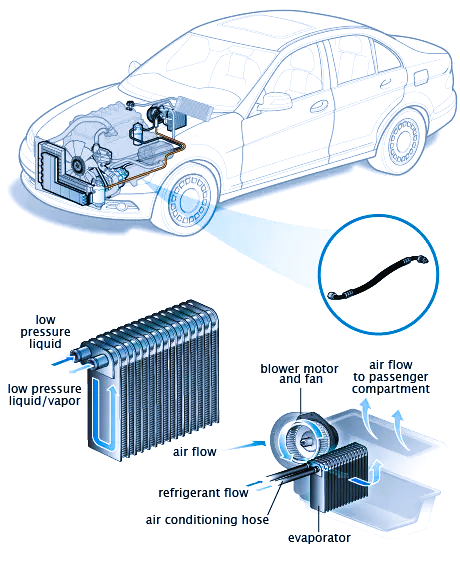
Mangueras para sistemas de aire acondicionado automotrices
Las mangueras de los sistemas de aire acondicionado automotrices comprenden principalmente las tuberías que conectan el evaporador del aire acondicionado, el condensador y el cartucho desecante. Generalmente están fabricadas con mangueras de caucho puro o mangueras compuestas de caucho/resina, y en ocasiones se combinan con tuberías de acero al carbono o aleación ligera para formar conjuntos; el medio de trabajo principal es el refrigerante del aire acondicionado. Actualmente, los refrigerantes más utilizados incluyen 1,1,1,2-tetrafluoroetano (R134a), tetrafluoropropileno (R1234YF) y dióxido de carbono, entre otros.
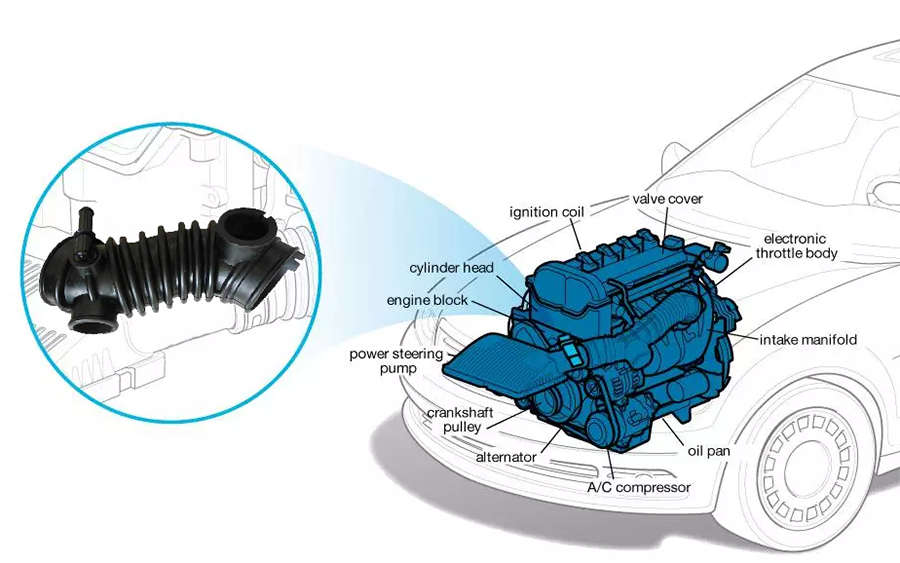
Mangueras del sistema de admisión automotriz
Las mangueras del sistema de admisión de un vehículo comprenden principalmente las líneas de conexión entre el filtro de aire, el turbocompresor, el intercooler, el motor y el sistema de ventilación del cárter. Las temperaturas de funcionamiento varían considerablemente entre las mangueras ubicadas en diferentes posiciones. Los medios de trabajo son mezclas de alta temperatura y presión media de vapor de combustible y aire, y aire.
Mangueras para el sistema de refrigeración del aceite de la caja de cambios automotriz
Las mangueras de los sistemas de refrigeración de aceite automotrices sirven principalmente como líneas de conexión entre las cajas de cambios automáticas y los refrigeradores de la caja de cambios; el medio de trabajo principal es lubricante de caja de cambios de alta temperatura y alta presión.
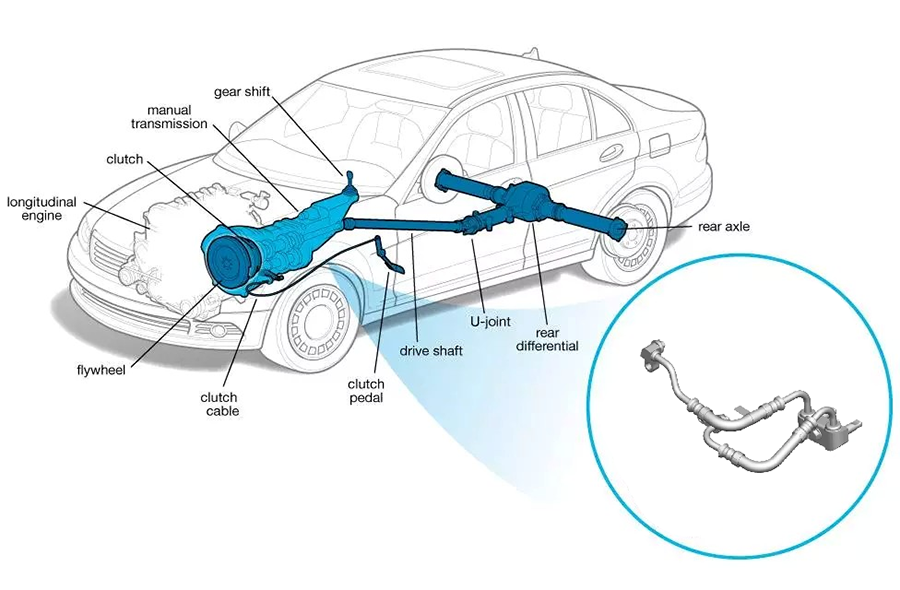
Mangueras para sistemas de accesorios de la carrocería automotriz
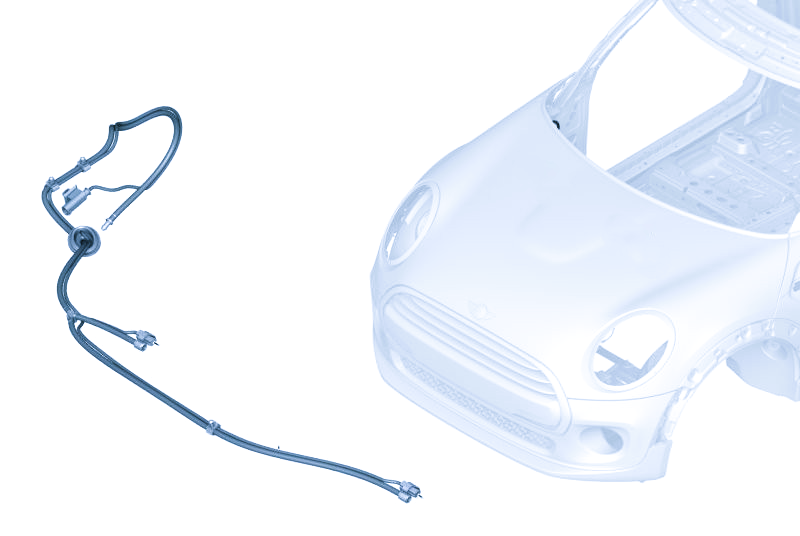
Las mangueras comunes utilizadas en los sistemas de accesorios de la carrocería del vehículo incluyen las mangueras de los lavaparabrisas delanteros y traseros, que generalmente están fabricadas de nailon o EPDM sin capa de refuerzo y se utilizan para transportar líquido lavaparabrisas.


 Whatsapp :
  Teléfono :
  Correo electrónico :